When investors start looking for a rooming house opportunity, one of the first things they often focus on is land size.
A bigger block can certainly create more options, but it doesn’t automatically mean better rooming house potential.
For a conversion project, the existing house can matter far more than the amount of land around it. A well-located property with the right layout, access, parking and ability to be adapted efficiently may outperform a much larger site that needs extensive reconfiguration.
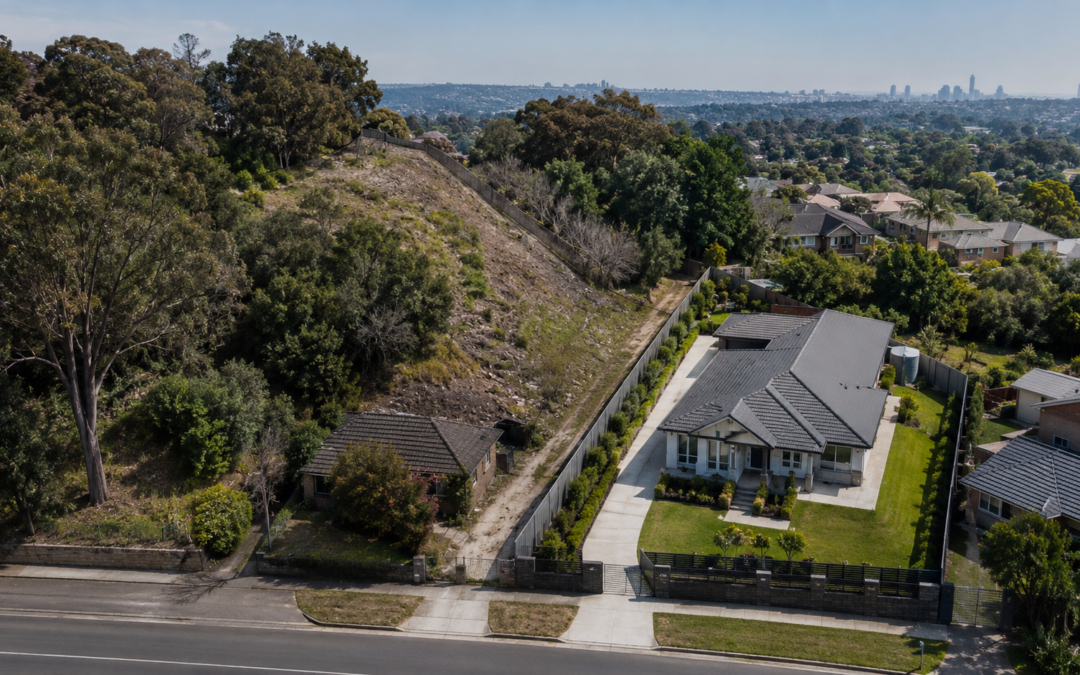
For a new-build rooming house, land size still isn’t the whole story. Frontage, site shape, slope, access, easements, planning controls and the way the block can actually be used all influence what is achievable.
A large parcel of land with awkward dimensions or significant constraints can be far less useful than a smaller, better-proportioned site.
This is where buyers can get caught out. It’s easy to see a big block and immediately assume “more potential”, without considering whether that extra land actually helps the intended strategy.
The strongest rooming house opportunities are usually the ones where the property, site and financials work together.
That’s why a Rooming House Assessment looks beyond simple measurements and considers how the property performs as a whole.
Because when it comes to rooming house potential, bigger isn’t always better – better is better.