
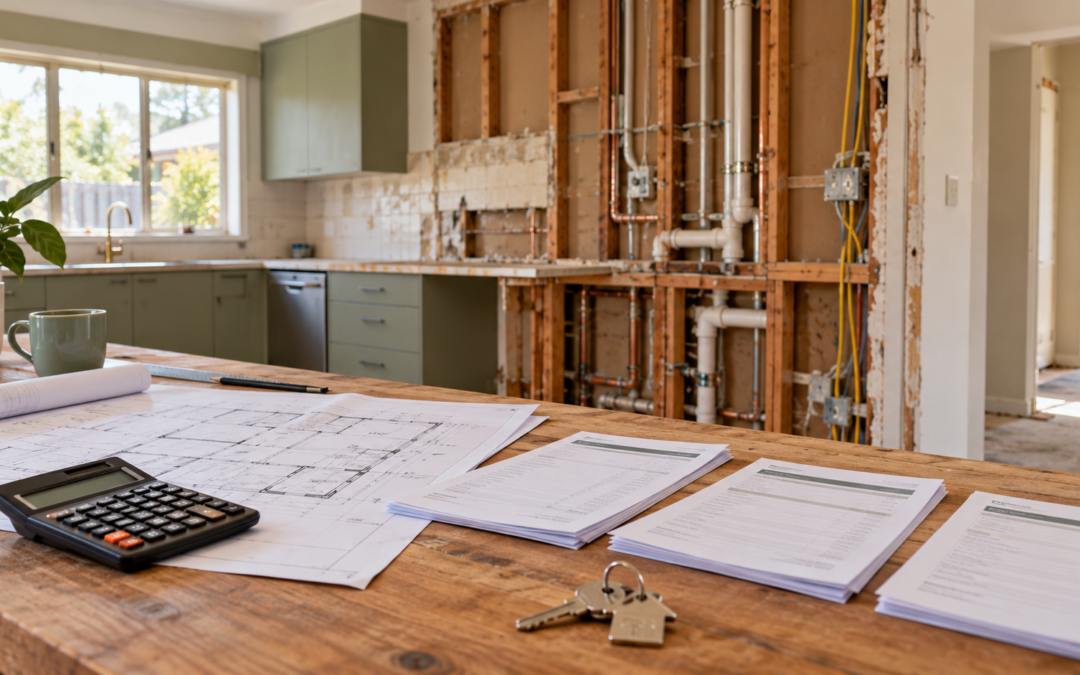
When you assess a rooming house opportunity, the purchase price and building quote are usually the most visible numbers. The costs around them can be easier to overlook. A project may appear affordable until you account for the money needed to investigate the property, complete the works and get it ready for residents.
Before work begins, there may be professional fees, inspections, design costs and approval expenses to consider. The building quote also deserves a close look: what is included, what is excluded, and which amounts are still allowances? Consumer Affairs Victoria recommends comparing quotes carefully because the cheapest may leave out items or allow too little for the materials and finishes you want.
Timing can introduce another layer of costs. Loan interest, insurance and other holding expenses may continue while the property is being assessed or converted, before rental income starts. Once operational, maintenance, management and periods with vacant rooms also need to be allowed for. These expenses are part of understanding how the property will perform, rather than simply calculating its possible weekly rent.
Good rooming house due diligence brings those less obvious costs into the conversation early. That does not mean assuming every project will have major surprises; it means identifying the unknowns and testing whether there is enough financial room to handle them. A Rooming House Assessment can help flag issues for further investigation and inform your rooming house feasibility. Before you commit, look beyond the headline price and ask what it will take to get the property operating.