When investors explore rooming houses, one of the first decisions is whether to convert an existing property or build a new one.
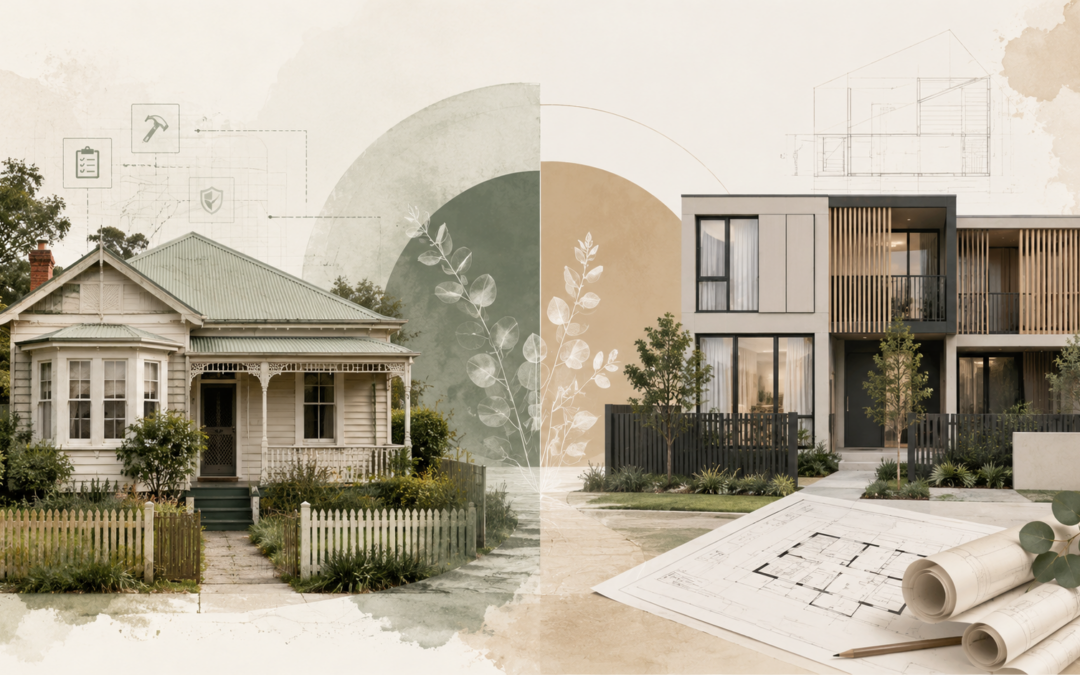
A conversion can appear faster and more affordable. The building already exists, the location is established, and there may be less time spent waiting for construction. However, the wrong property can quickly become expensive. Existing layouts, ceiling heights, access, parking, fire-safety upgrades and planning controls can all affect whether a conversion is practical.
A new build offers greater control. The design can be created specifically for rooming house use, with suitable bedrooms, communal areas, storage and services incorporated from the beginning. This can produce a more efficient and appealing finished property. The trade-off is usually a higher upfront cost, a longer timeframe and more exposure to construction and approval risks.
Neither option is better.
The right choice depends on your budget, location, borrowing capacity, experience and long-term strategy. Some investors want the quicker pathway of a well-selected conversion. Others prefer the flexibility and purpose-built outcome of a new development.
The important point is to assess the opportunity before committing. A cheap house is not necessarily a good conversion candidate, and a large block is not automatically suitable for a new rooming house.
Rooming House Potential helps investors look beyond the listing and understand the planning, property and feasibility issues affecting the project. The best strategy starts with choosing the right site for the outcome you want.